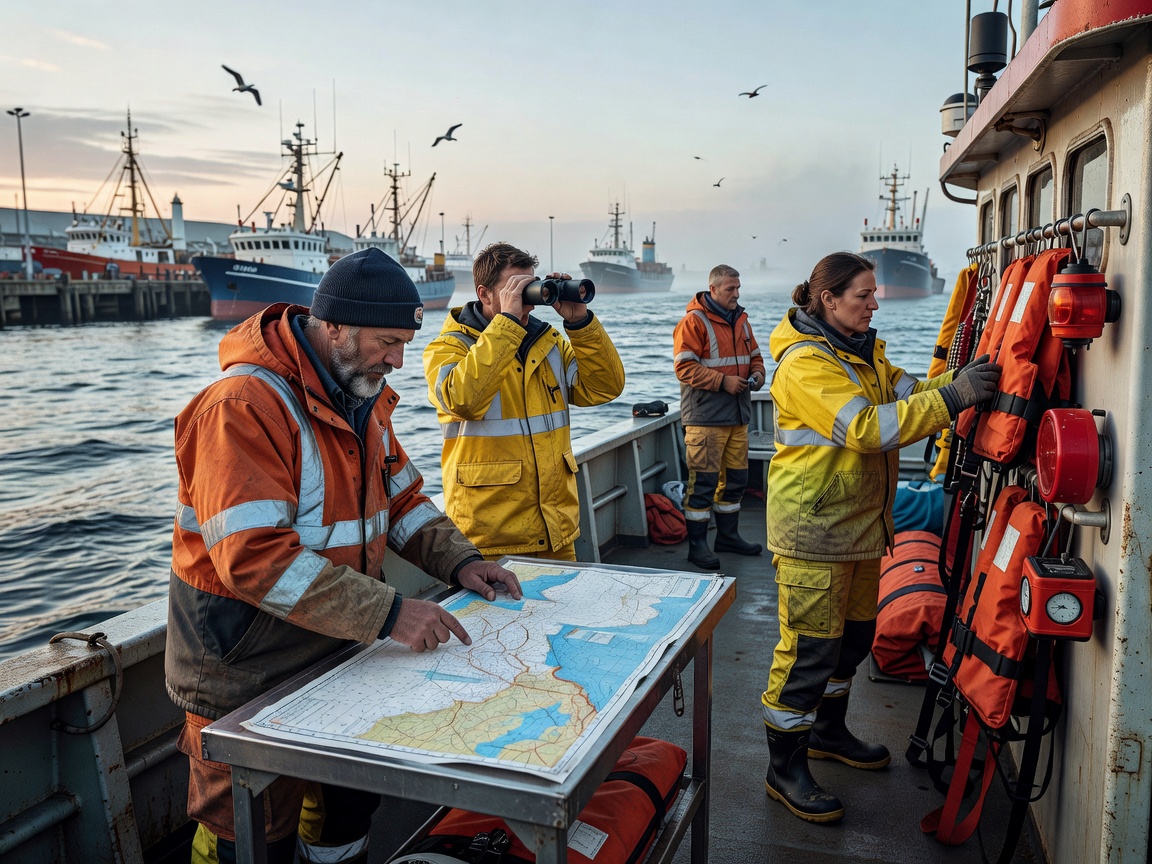
Safety as an operating culture
Safety is more than equipment carried on board. It is the quality of decisions before and during activity. Training should make hazards discussable, encourage early reporting and give every crew member a clear route to raise concern. It should also recognise fatigue, unfamiliarity, time pressure and changing conditions as operational factors.
Risk awareness areas
Useful topics include vessel condition, weather, visibility, traffic, water temperature, personal capability, communications and the consequences of delay. Learners should practise identifying what is known, what is uncertain and what information is needed before proceeding. Local procedures and qualified instructors remain essential.
Emergency planning boundary
Educational material can explain the importance of emergency planning, role allocation, reliable communications and current equipment checks. It cannot replace vessel-specific instruction or supervised practice. Do not rely on a general webpage for emergency execution. Follow the vessel’s procedures, current official guidance and qualified professional direction.
Practical checklist
- Review the activity, people, vessel and environmental conditions.
- Confirm equipment status and crew understanding.
- Agree communication expectations and escalation routes.
- Identify stop, defer or reassess triggers.
- Record observations without blame after the activity.
Good fit for
This module fits recreational crews, developing skippers, operational support staff and anyone who needs a structured risk conversation. It supports awareness and preparation. It is not a rescue course, medical course, legal interpretation or substitute for formal safety training.
What to verify
Ask whether learning is scenario-based, supervised and matched to the vessel. Verify the instructor’s relevant experience, equipment policy, weather decision process and treatment of local requirements. Formal qualifications and operational permissions vary by jurisdiction.
Link safety thinking to operations, navigation and the selection guide.