What the module covers
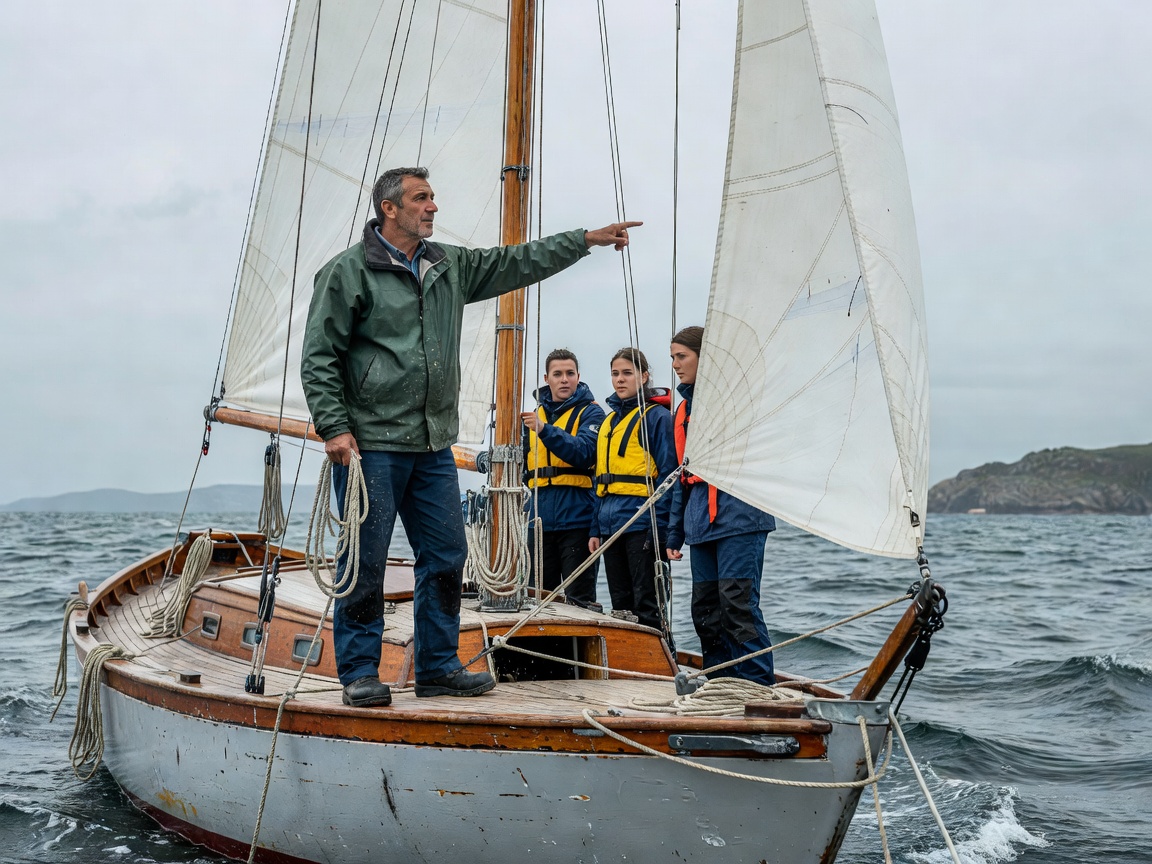
Sailing fundamentals begin with the relationship between wind, sail trim, heading and vessel movement. Learners also need a working vocabulary for lines, fittings, deck areas and basic helm commands. Seamanship adds the routine that keeps activity organised: preparation, lookout, communication, tidy deck practice and clear handovers.
Vessel handling is learned through supervised repetition. A useful session has a defined objective, a short briefing, practical attempts and a review. The aim is not to rush through manoeuvres. It is to recognise inputs, observe the vessel response and communicate before the next action.
Progression from beginner to advanced
Beginner focus
Orientation, safe movement on deck, basic steering, sail awareness, simple commands and equipment identification.
Strength: establishes reliable habits.
Limit: requires close supervision and simple conditions.
Advanced focus
Refined boat handling, workload sharing, changing conditions, passage preparation and more independent decision discussion.
Strength: connects separate skills.
Limit: poor foundations become more visible.
Practical session checklist
- Confirm learning objective and vessel briefing.
- Check personal equipment and deck readiness.
- Establish communication terms and stop signals.
- Review weather, local restrictions and instructor limits.
- Log observations and the next practice priority.
Equipment and selection criteria
Ask whether the course supplies or expects personal flotation equipment, suitable clothing, footwear, gloves and weather protection. Confirm the vessel type, group size, time afloat, shore briefing and instructor supervision. A smaller group can provide more active practice, while a larger group may offer broader crew observation.
Good fit for
New sailors, crew members who want structured practice, and experienced recreational sailors who need to refresh routines before progressing. It is not a substitute for a formal qualification, commercial endorsement or vessel-specific induction.
What to verify
Verify the provider’s stated scope, instructor credentials, insurance position, vessel suitability, weather policy and assessment method. Requirements differ by location and activity. Use current local guidance and qualified supervision.
Related modules: navigation, safety and risk, and the course selection guide.